

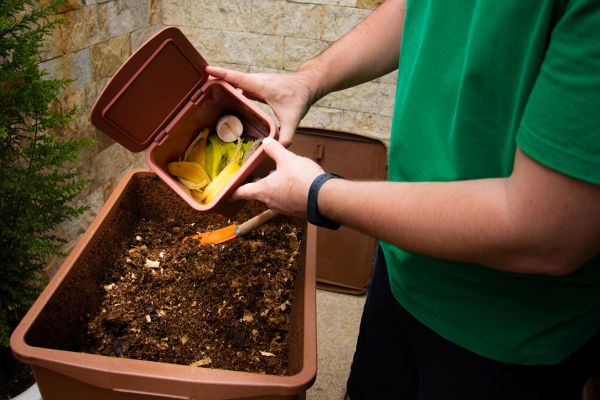
There is something oddly satisfying about turning kitchen scraps into rich, earthy compost. Banana peels, coffee grounds, wilted lettuce, dry leaves from the backyard — things that would normally end up in the trash slowly break down into material that can nourish plants and improve soil naturally. It feels practical, but also a little magical the first time you see it happen.
For many people, composting seems intimidating at first. The process sounds scientific, maybe even messy. Some imagine unpleasant smells or giant piles taking over the yard. In reality, home composting is usually much simpler than expected. Once the basics are understood, it becomes part of an everyday rhythm, almost like watering plants or brewing morning coffee.
The best composting at home tips are often the simplest ones. Start small, pay attention to balance, and let nature do most of the work.
Understanding What Compost Really Is
Compost is decomposed organic matter. That sounds technical, but it simply means natural materials breaking down over time into nutrient-rich soil-like material.
In forests, composting happens constantly without human involvement. Fallen leaves decay on the ground, branches soften, and plant matter returns nutrients back into the earth. Home composting follows the same principle, only in a more controlled way.
Microorganisms, fungi, insects, oxygen, and moisture all work together during decomposition. The result is dark, crumbly compost that improves soil structure and helps plants grow healthier.
One reason composting feels rewarding is because it changes how people see waste. Food scraps stop looking like garbage and start looking like ingredients for future gardens.
Choosing the Right Composting Setup
One of the most common misconceptions is that composting requires a large outdoor space. While backyard compost piles are popular, they are far from the only option.
Some people use simple open piles tucked into a corner of the garden. Others prefer covered bins that keep the process tidier and protect against excess rain. Apartment dwellers often use compact indoor systems or worm composting containers that fit surprisingly well into small spaces.
The setup matters less than consistency.
For beginners, a basic compost bin is often the easiest place to start. It helps contain materials, retains moisture, and keeps the process manageable. Fancy equipment is not necessary. In fact, many experienced gardeners still rely on simple homemade systems because they work perfectly well.
Location also makes a difference. Compost piles benefit from partial shade and good drainage. A completely dry area may slow decomposition, while constantly soggy ground can create odor problems.
Finding the right balance takes a little observation, but perfection is not required. Compost is more forgiving than people think.
The Balance Between Greens and Browns
Among the most useful composting at home tips is learning the difference between “greens” and “browns.” These terms sound strange at first, though the idea itself is fairly simple.
Greens are nitrogen-rich materials. They include fruit scraps, vegetable peels, coffee grounds, tea leaves, and fresh grass clippings. Browns are carbon-rich materials such as dry leaves, shredded cardboard, newspaper, paper towels, and small twigs.
Healthy compost needs both.
Too many greens can make a pile wet, slimy, and smelly. Too many browns may slow decomposition until the pile barely changes at all. A balanced mixture creates the ideal environment for microorganisms to work efficiently.
The ratio does not need to be exact. Composting is not chemistry class. Most home composters learn gradually by paying attention to texture and smell.
If the pile becomes unpleasantly damp or develops a sour odor, it usually needs more dry brown material. If decomposition seems stalled, adding more green material and moisture can help restart activity.
Over time, these adjustments become instinctive.
Kitchen Scraps That Work Well in Compost
Many everyday kitchen leftovers are excellent for composting. Vegetable trimmings, fruit peels, eggshells, coffee filters, stale bread, and tea bags all break down naturally.
Coffee grounds are especially popular because they decompose quickly and add nitrogen to the pile. Eggshells contribute calcium, though they break down faster when crushed into smaller pieces first.
Some materials are better avoided, especially in beginner compost systems. Meat, dairy products, oily foods, and heavily processed leftovers can attract pests and create strong odors. Large quantities of citrus peels or onions may also slow microbial activity slightly.
A simple rule works well for most beginners: if it came from plants and decomposes naturally, it is usually compost-friendly.
Even then, there is room for flexibility. Experienced composters often experiment with different materials over time as they better understand how their compost system behaves.
Moisture Matters More Than People Expect
One overlooked aspect of composting is moisture control. A compost pile should feel damp like a wrung-out sponge, not soaked and not dusty dry.
Too much moisture limits airflow and creates unpleasant smells. Too little moisture slows decomposition dramatically because microorganisms need water to survive.
Rainfall, climate, and season all affect compost moisture levels. In hot weather, piles may dry out quickly and need occasional watering. During rainy periods, covering the pile can prevent oversaturation.
Turning the compost occasionally also helps distribute moisture evenly while improving airflow.
This is one of those areas where home composting becomes slightly personal. Every compost pile develops its own rhythm depending on local weather, available materials, and how often new scraps are added.
Why Airflow Is Important
Composting works best when oxygen is present. Without enough airflow, decomposition shifts into a slower anaerobic process that often produces strong odors.
Turning the pile introduces fresh oxygen and helps materials break down more evenly. Some gardeners turn compost weekly, while others do it less frequently. There is no single perfect schedule.
Even lightly mixing the top layers occasionally can make a noticeable difference.
Smaller materials also decompose faster because they expose more surface area to microorganisms. Chopping vegetable scraps or shredding cardboard speeds things up, though it is not strictly necessary.
Patience still matters most. Composting is a gradual process, and nature rarely works on strict timelines.
Seasonal Changes in Composting
Composting changes throughout the year. In warm months, decomposition tends to happen quickly because heat encourages microbial activity. A pile can shrink surprisingly fast during summer.
Winter slows everything down. In colder climates, compost may appear almost frozen in place for weeks at a time. That does not mean the system has failed. Activity simply decreases until temperatures rise again.
Autumn often becomes the busiest composting season because fallen leaves provide abundant brown material. Many gardeners collect and store dry leaves specifically for balancing compost throughout the year.
Seasonal awareness helps prevent frustration. Compost piles are living systems influenced heavily by weather and temperature.
Common Composting Problems and Simple Fixes
Nearly every beginner runs into small composting issues. Fortunately, most are easy to correct.
Bad smells usually indicate excess moisture or too many green materials. Adding dry leaves, shredded paper, or cardboard often improves the balance quickly.
If decomposition feels painfully slow, the pile may need more nitrogen, water, or airflow. Turning the materials and adding fresh greens can help reactivate the process.
Pests are another concern people worry about. Closed bins, buried food scraps, and avoiding meat or dairy generally reduce problems significantly.
Sometimes beginners expect compost to look perfect immediately. In reality, half-finished compost often contains recognizable bits of leaves or twigs. That is normal. Finished compost develops gradually and unevenly.
Patience is part of the process.
The Environmental Value of Composting
Beyond gardening benefits, composting has a meaningful environmental impact. Organic waste in landfills breaks down differently than it does in compost systems. Without proper oxygen, food waste in landfills can produce methane, a greenhouse gas linked to climate change.
Home composting redirects some of that waste back into natural soil cycles instead.
The effect may seem small on an individual level, but collectively it matters. Kitchen scraps, yard waste, and organic leftovers make up a significant portion of household waste streams in many places.
Composting also reduces reliance on synthetic fertilizers while improving soil health naturally. Healthy compost helps soil retain water more effectively, which can become especially valuable during dry seasons.
There is a quiet practicality to it all. Less waste leaves the house, and more nutrients stay connected to the landscape around it.
Creating a Sustainable Gardening Habit
One reason composting becomes so appealing over time is because it changes everyday habits gently rather than dramatically. People begin noticing what they throw away. Gardening becomes more connected to kitchen routines. Even children often enjoy seeing scraps transformed into something useful.
The process encourages patience in a world that rarely slows down.
There is no perfect compost pile. Some batches break down beautifully while others stay stubbornly unfinished for months. Weather changes things. Material balance shifts unexpectedly. Sometimes a pile simply behaves differently than expected.
That unpredictability is part of what makes composting feel natural rather than mechanical.
The best composting at home tips are ultimately less about strict rules and more about observation. Watch the pile, adjust gradually, and trust the process.
Conclusion
Composting at home is one of those habits that begins modestly but often grows into something deeply rewarding. What starts as a small container of food scraps can eventually reshape how people think about waste, gardening, and the natural cycles happening quietly around them every day.
The process does not require expert knowledge or expensive equipment. It simply asks for a bit of patience, attention, and willingness to learn through experience. Some compost piles heat up quickly, others move more slowly, but all reflect the steady work of nature recycling organic material back into the soil.
Over time, composting becomes less about following instructions and more about developing a relationship with the process itself. There is satisfaction in seeing scraps transformed into rich, living earth — not perfectly, not instantly, but gradually and honestly.