

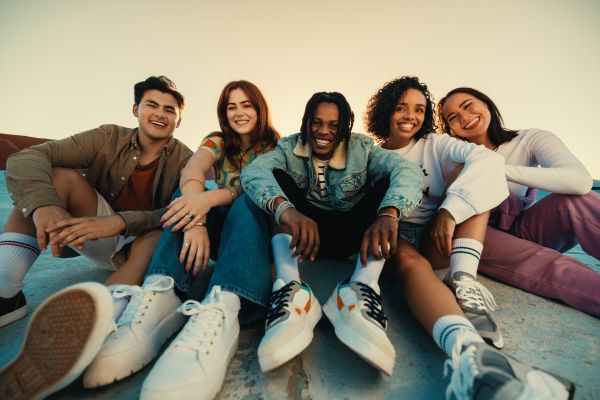
The Past Feels Surprisingly New
There is something funny about fashion: it keeps pretending to move forward, then turns around and falls in love with its own past. Right now, no generation seems more comfortable with that loop than Gen Z. From low-rise jeans and claw clips to chunky sneakers, baby tees, cargo pants, wired headphones, thrifted leather jackets, and Y2K sunglasses, retro style has become a daily language for young people who grew up online but dress like they are raiding several decades at once.
Why Gen Z Loves Retro Fashion is not just about nostalgia, though nostalgia definitely plays a part. It is also about identity, rebellion, sustainability, pop culture, and the desire to look different in a world where everyone is looking at the same screen. Retro fashion gives Gen Z something modern fashion often struggles to offer: personality with a past.
Nostalgia for an Era They Barely Lived Through
One of the most interesting things about Gen Z’s love for retro fashion is that much of it comes from decades they did not fully experience. The 90s and early 2000s are especially powerful, even for people who were toddlers or not yet born during those years. That creates a kind of borrowed nostalgia, shaped by music videos, old sitcoms, celebrity archives, Tumblr screenshots, family photo albums, and TikTok edits.
For Gen Z, retro fashion is less about recreating history perfectly and more about collecting the mood of an era. A cropped cardigan might feel like a 90s rom-com. A tracksuit might carry the energy of early 2000s pop stars. Oversized denim can suggest skate culture, grunge, or vintage streetwear, depending on how it is styled.
This generation does not need to have lived through a trend to understand its emotional appeal. The internet has flattened time. A runway look from 1998, a magazine cover from 2003, and a TikTok outfit from this morning can exist on the same mood board. That constant access makes old fashion feel immediate rather than distant.
Retro Style Feels More Personal Than Fast Trends
Modern trend cycles move at a dizzying pace. A style can go viral, peak, feel overdone, and disappear from feeds within weeks. Gen Z knows this better than anyone because they are often the ones watching trends rise and collapse in real time. Retro fashion offers a way out of that exhaustion.
Vintage-inspired dressing feels more personal because it invites searching, mixing, and interpretation. Instead of buying a full look exactly as it appears online, someone might find a secondhand jacket, pair it with a modern tank top, add old-school sneakers, and make the outfit feel entirely their own. The result is not polished in a showroom way. It has texture.
That texture matters. Gen Z often values individuality, but individuality is hard when algorithms keep pushing the same aesthetics to millions of people. Retro pieces interrupt that sameness. A faded band tee, a worn denim skirt, or a 70s-style blouse carries small imperfections that cannot be copied exactly. In a culture of endless duplication, that feels refreshing.
Thrifting Turned Retro Fashion Into a Lifestyle
Thrifting has become one of the biggest reasons retro fashion feels so natural to Gen Z. Secondhand shopping is not just a budget-friendly option; it has become a social activity, a creative challenge, and in many cases, a statement about consumption.
Walking into a thrift store is different from scrolling a shopping app. There is no perfect filter. You have to search. You have to imagine. A pair of old trousers may look strange on the hanger but amazing with the right belt and shoes. A jacket from another decade might become the strongest piece in someone’s wardrobe. That hunt gives clothing a story before it is even worn.
There is also the sustainability factor. Gen Z is highly aware of waste, overproduction, and the environmental cost of constantly buying new clothing. Retro fashion fits into a slower, more conscious way of dressing. It does not mean every outfit is perfectly ethical or every purchase is deeply intentional, but there is a clear attraction to clothes that already exist and still have life in them.
Pop Culture Keeps Bringing Old Trends Back
Fashion does not return on its own. Pop culture pulls it back into the spotlight. A celebrity wears a vintage-inspired look on a red carpet. A singer drops a music video styled like the early 2000s. A streaming series revives 80s or 90s aesthetics. Suddenly, an old silhouette feels current again.
Gen Z is especially fluent in this kind of visual recycling. They notice references quickly. They understand when a look nods to a past pop star, a movie character, a subculture, or a specific internet era. Fashion becomes a kind of cultural remix.
This is why retro fashion feels so alive right now. It is not costume dressing. It is reference dressing. A Gen Z outfit may borrow from grunge, rave culture, preppy school uniforms, 2000s celebrity street style, and old hip-hop fashion all at once. The fun is in the blend. The look says, “I know where this came from, but I am wearing it my way.”
Social Media Made the Archive Cool
Before social media, fashion archives were mostly controlled by magazines, stylists, designers, and collectors. Now, anyone can find old runway clips, celebrity airport outfits, vintage catalog scans, and decade-specific styling videos in seconds. Platforms like TikTok, Pinterest, Instagram, and YouTube have turned fashion history into something casual and searchable.
This has changed how Gen Z learns about style. They do not only follow current fashion weeks or seasonal trends. They explore micro-aesthetics: indie sleaze, coquette, blokette, old money, downtown girl, 90s minimalism, cyber Y2K, cottagecore, grunge, and more. Some of these aesthetics are new names for old ideas, but the naming helps people build a visual identity.
Retro fashion thrives in this environment because it gives creators endless material. A single thrift flip, styling video, or “outfits inspired by 90s movies” post can introduce thousands of viewers to a forgotten shape or accessory. The archive has become interactive. Gen Z does not just look at old fashion; they restyle it, debate it, and turn it into content.
Retro Fashion Lets Gen Z Reject Perfection
A lot of modern fashion imagery still leans toward perfection: clean lines, flawless styling, curated wardrobes, and carefully arranged minimalism. Gen Z often pushes against that. Many retro looks feel slightly messy, playful, or emotionally expressive. Think smudged eyeliner with a slip dress, oversized jeans with a tiny top, mismatched layers, or a sweater that looks like it came from someone’s older cousin’s closet.
This imperfect quality is part of the appeal. It makes fashion feel less intimidating. Retro outfits can be awkward, loud, sentimental, or strange. They allow people to experiment without pretending everything has to be elegant or expensive.
There is also a sense of humor in Gen Z styling. They are willing to revive pieces that older generations may find questionable: tiny sunglasses, jorts, platform flip-flops, patterned vests, or aggressively shiny accessories. Sometimes the point is not to look traditionally “good.” Sometimes the point is to look interesting, self-aware, and a little unpredictable.
The Search for Identity in a Digital World
At its heart, Why Gen Z Loves Retro Fashion comes down to identity. This generation grew up with digital profiles, constant images, and endless comparison. Personal style has become one of the few ways to claim a little control over how they are seen.
Retro fashion helps because it offers many identities at once. Someone can dress like a 90s skater one day, a 70s folk singer the next, and an early 2000s pop fan by the weekend. That flexibility matches how Gen Z thinks about self-expression. Identity is not always fixed. It can shift, expand, and play with contradiction.
Clothing from past decades also carries emotional depth. It suggests memory, even when the memory is imagined. It creates a feeling that a person belongs to a wider cultural story, not just the current moment. In a fast, anxious, highly online world, that connection can feel grounding.
Why Retro Fashion Is More Than a Trend
Retro fashion may rise and fall in specific forms, but Gen Z’s attachment to it seems deeper than a passing phase. The exact pieces will change. Today it might be Y2K denim and 90s minimalism. Tomorrow it may be 2010s indie style or another forgotten aesthetic waiting for its comeback. But the desire behind it will likely stay.
Gen Z loves retro fashion because it gives them room to be creative, critical, nostalgic, and individual all at once. It lets them challenge fast fashion without giving up fun. It lets them engage with pop culture history while still making something new. Most importantly, it makes getting dressed feel like an act of discovery rather than obedience.
Fashion always returns to the past, but Gen Z has made that return feel especially personal. They are not simply copying old trends. They are editing them, questioning them, softening them, exaggerating them, and wearing them into a new context. That is why retro fashion continues to matter. It is not just about looking back. It is about finding yourself somewhere in the echo.