

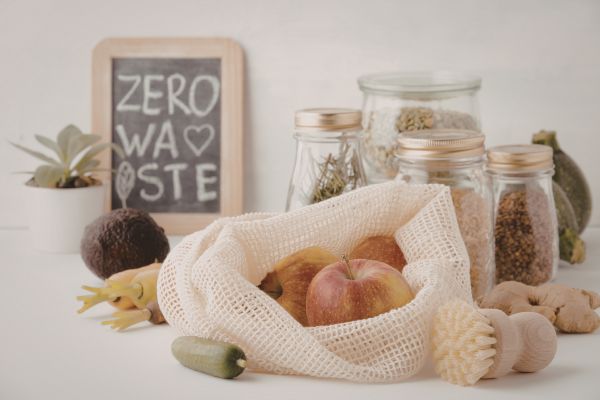
A kitchen can be one of the most comforting places in a home, but it can also be one of the most wasteful. Think about the vegetable peels scraped into the bin, the half-used herbs forgotten at the back of the fridge, the bread ends nobody touches, or the leftovers that seemed useful two days ago but now feel questionable. None of this usually happens because people are careless. It happens because modern cooking has made waste feel normal.
Zero waste cooking is a gentle way of pushing back against that habit. It is not about becoming perfect, saving every onion skin, or feeling guilty over every forgotten tomato. At its heart, it is about paying closer attention to food, using more of what we already have, and building a kitchen rhythm that feels less rushed and more thoughtful. These Zero Waste Cooking Tips can help make everyday meals more sustainable without turning cooking into a complicated project.
Understanding What Zero Waste Cooking Really Means
Zero waste cooking does not mean your kitchen bin must stay empty forever. For most households, that would be unrealistic. Instead, it means reducing avoidable waste wherever possible. It is about seeing food as valuable from the moment it enters the kitchen until the last edible part has been used.
This can include planning meals more carefully, storing ingredients properly, using scraps creatively, and learning to cook with flexibility. A slightly soft carrot may not be ideal for a salad, but it can still add flavor to soup. Herb stems may look like waste, yet they can bring depth to stocks, sauces, and marinades. Stale bread may not be pleasant on its own, but it can become breadcrumbs, croutons, or a thickener for soups.
The real shift is mental. Instead of asking, “What should I throw away?” zero waste cooking asks, “How can I still use this?”
Start with Smarter Food Planning
Food waste often begins before cooking even starts. It begins at the shopping stage, when we buy more than we need or pick up ingredients without a clear idea of how they will be used. A full fridge can feel satisfying, but if half of it spoils before the week ends, it becomes expensive and wasteful.
A simple meal plan can make a big difference. It does not need to be strict or detailed. Even deciding on a few core meals for the week helps guide your shopping. Before buying groceries, check what is already in your fridge, freezer, and pantry. That one small habit prevents duplicate purchases and reminds you to use older ingredients first.
It also helps to plan meals that share ingredients. For example, if you buy fresh spinach, use it in an omelet one day, a pasta dish the next, and a soup later in the week. If you roast vegetables for dinner, make extra and turn them into wraps, grain bowls, or frittatas. When ingredients have more than one purpose, they are less likely to sit unused.
Learn to Store Food Properly
Good storage is one of the quiet heroes of a sustainable kitchen. Many foods spoil early simply because they are stored in the wrong place. Leafy greens wilt, herbs dry out, potatoes sprout, and berries mold before anyone gets to enjoy them.
Fresh herbs usually last longer when treated like flowers. Trim the stems, place them in a jar with a little water, and keep them in the fridge or on the counter depending on the herb. Leafy greens stay fresher when wrapped in a clean towel or stored in a container that controls excess moisture. Potatoes and onions should be kept in a cool, dark place, but not together, as onions can encourage potatoes to spoil faster.
Freezing is another useful habit. If fruit is getting too ripe, chop it and freeze it for smoothies or baking. If bread is close to going stale, slice and freeze it before it becomes unusable. Small portions of cooked rice, beans, sauces, and soups can also be frozen for later meals. A freezer is not just a storage space; it is a pause button for food.
Use Vegetable Scraps with Purpose
Vegetable scraps are often more useful than they look. Carrot tops, celery leaves, onion ends, mushroom stems, and herb stalks can all bring flavor to homemade stock. Keep a container or bag in the freezer for clean vegetable scraps, and when it fills up, simmer them with water, herbs, and a little seasoning.
Not every scrap belongs in stock. Strong vegetables like cabbage, broccoli, and Brussels sprouts can become bitter if overused. But in small amounts, many scraps add complexity. Once strained, the stock can be used for soups, stews, grains, sauces, or even cooking lentils and beans.
Some scraps can also become part of the meal itself. Broccoli stems can be peeled and sliced into stir-fries. Cauliflower leaves can be roasted until crisp. Beet greens can be sautéed like spinach. Parsley and cilantro stems can be finely chopped into dressings, chutneys, and marinades. These are simple choices, but they stretch ingredients further and make meals more interesting.
Give Leftovers a Second Life
Leftovers are where zero waste cooking becomes creative. The trick is to stop thinking of leftovers as repeats and start seeing them as ingredients. Yesterday’s roasted vegetables can become today’s soup. Cooked chicken can be folded into rice, pasta, or a sandwich filling. Leftover lentils can turn into patties, wraps, or a thick stew.
The best leftover meals often come from mixing textures and adding something fresh. A bowl of plain rice may feel dull, but with a fried egg, pickled onions, herbs, and a quick sauce, it becomes a proper meal. Leftover pasta can be baked with vegetables and a simple sauce. Stale flatbread can be crisped and served with dips or broken into salads.
Labeling leftovers also helps. A container with no date can quickly become suspicious, even if it is still fine. Write the date or keep older items at the front of the fridge. The more visible and understandable leftovers are, the more likely they are to be eaten.
Cook Root-to-Stem When You Can
Root-to-stem cooking means using as much of the plant as possible. It is a practical idea, but it can also make cooking feel more connected. Many parts of vegetables that are usually discarded are perfectly edible when prepared well.
Carrot tops can be blended into pesto-style sauces. Radish leaves can be sautéed or added to soups. Leek greens, which are often thrown away because they are tougher than the white part, can be cooked slowly in stocks or sliced thinly into stir-fries. Squash seeds can be cleaned, seasoned, and roasted for a crunchy snack.
This approach does not require unusual recipes every day. It simply asks you to pause before discarding something. Is it tough but edible? Cook it longer. Is it flavorful but fibrous? Use it in stock. Is it slightly wilted? Blend it into sauce or soup. A little curiosity can save a surprising amount of food.
Make Friends with Simple Preserving
Preserving food sounds old-fashioned to some people, but it is one of the most useful zero waste habits. You do not need advanced equipment or a pantry full of jars. Quick pickling, freezing, drying, and making sauces can all help extend the life of ingredients.
Quick pickles are especially easy. Thinly sliced onions, cucumbers, radishes, carrots, or cabbage can be placed in a mixture of vinegar, water, salt, and a little sugar. After a short time, they become bright, tangy toppings for sandwiches, rice bowls, salads, and wraps.
Overripe tomatoes can be cooked down into sauce. Soft fruits can become compotes or jam-like toppings. Herbs can be chopped and frozen in ice cube trays with water or oil. Even citrus peels can be zested before juicing, then stored in the freezer for baking, dressings, and marinades.
Preserving is not only about avoiding waste. It also gives your kitchen more flavor to work with.
Respect the Pantry
A zero waste kitchen is not only about fresh produce. Pantry items can also be wasted when they are forgotten, poorly stored, or bought in unrealistic quantities. Flour, rice, pasta, lentils, spices, nuts, and seeds all need attention.
Keep pantry items visible and organized enough that you know what you have. This does not mean every jar must look beautiful. It simply means ingredients should be easy to find and use. Older items should be placed toward the front, while newer purchases go behind them.
Buying in bulk can reduce packaging, but only if the food is used before it spoils. Nuts, seeds, and whole-grain flours can go rancid over time, especially in warm kitchens. Store them in airtight containers, and consider refrigerating or freezing them if you do not use them often.
A regular pantry meal also helps. Once a week, cook something mostly from what you already have. A simple lentil soup, rice dish, pasta, or bean stew can clear out small amounts of ingredients before they become forgotten clutter.
Be Flexible with Recipes
Recipes are helpful, but strict recipe-following can sometimes create waste. If a recipe calls for one type of green and you already have another, use what you have. If it asks for fresh herbs but your herbs are close to wilting, that is exactly the moment to use them. If you have half a bell pepper instead of a whole one, combine it with another vegetable.
Learning basic cooking methods gives you freedom. Soups, stir-fries, omelets, grain bowls, curries, and casseroles are all forgiving meals. They welcome substitutions and help use up small amounts of food.
This kind of flexibility also makes cooking feel less stressful. You are not constantly running to the store for one missing ingredient. You are working with your kitchen, not against it.
Reduce Packaging Waste Alongside Food Waste
Zero waste cooking is mainly about food, but packaging matters too. Choosing loose produce when available, bringing reusable bags, and avoiding overly packaged items can reduce the amount of waste that enters the kitchen in the first place.
Glass jars, containers, and washable wraps can replace some single-use plastics. Leftovers can be stored in bowls with plates over them, especially for short periods. Reusing jars from sauces or pickles is another simple habit that costs nothing.
Still, it is important not to turn sustainability into pressure. Use what you already own first. A kitchen does not become sustainable because everything in it looks new and eco-friendly. It becomes sustainable when things are used well, repaired when possible, and replaced only when needed.
Make Composting the Last Step, Not the First
Composting is valuable, but it should be the final option after edible uses have been considered. If a carrot peel can flavor stock, use it first. If fruit can be frozen, freeze it. If bread can become crumbs, save it. Composting is better than sending food to landfill, but eating the food is better still.
For unavoidable scraps like eggshells, coffee grounds, tea leaves, tough peels, and inedible parts, composting can return nutrients to the soil. Even small-scale composting, such as a countertop collection bin emptied into a community compost system, can make a difference.
The key is to see compost as part of a cycle, not a guilt-free excuse to waste food. A thoughtful kitchen uses, reuses, and only then composts what remains.
Building a More Thoughtful Kitchen
Zero waste cooking is not about perfection. It is about building small habits that make food go further and help the kitchen feel more intentional. Some weeks will be better than others. You may still forget a cucumber in the fridge or cook too much rice. That is normal. What matters is learning from those moments and adjusting gently.
The best Zero Waste Cooking Tips are often the simplest: plan before shopping, store food with care, use leftovers creatively, cook with scraps, and stay flexible. Over time, these habits save money, reduce waste, and bring more respect into everyday cooking.
A sustainable kitchen does not need to be fancy or flawless. It only needs attention. When we slow down enough to notice what we already have, food becomes more than a routine purchase. It becomes something worth using fully, enjoying properly, and wasting less often.